
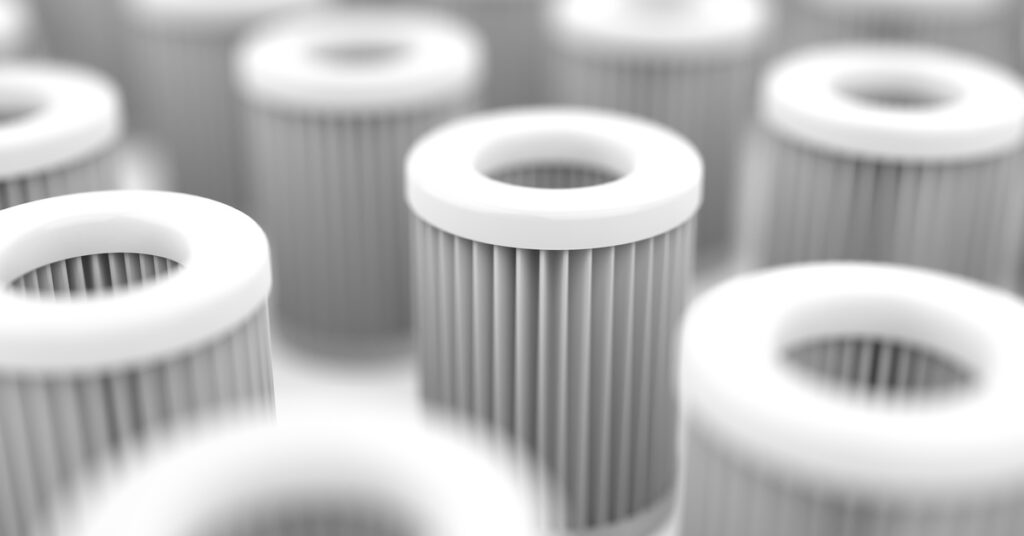
Industrial environments require targeted air filtration to manage a wide range of contaminants. Dust, debris, and chemical vapors can all impact worker safety, product quality, and equipment performance. Understanding the difference between HEPA vs. carbon filters for industrial contamination removal allows facility managers to choose the right solution based on their specific challenges. Each filter type serves a different purpose, and selecting the correct one can improve efficiency while reducing long-term costs.
What HEPA Filters Do Best
HEPA filters capture fine airborne particles. They use a dense fiber structure that traps contaminants as air moves through the system. This makes them highly effective in environments where dust and particulate matter are the primary concern.
Facilities such as metal fabrication shops, manufacturing plants, and woodworking operations rely on HEPA filters to maintain clean air. These filters help prevent particles from circulating through the workspace, which protects both employees and equipment. Cleaner air also supports better product quality by reducing contamination during production.
However, HEPA filters only capture solid particles. They do not remove gases or odors, which means they are not a complete solution for every industrial environment.
How Carbon Filters Handle Chemical Contaminants
Carbon filters focus on removing gases, odors, and volatile organic compounds. Instead of trapping particles, they use activated carbon to absorb chemical molecules from the air. This process makes them effective in environments where fumes and vapors are present.
Industries that involve painting, coating, or chemical processing often depend on carbon filtration. These filters help control airborne chemicals that can affect workers’ health and create unpleasant odors. Even when particulate levels are low, chemical exposure can still pose serious risks.
Carbon filters remove invisible contaminants that still impact air quality. This makes them a critical component in many industrial filtration systems.
Key Differences Between HEPA and Carbon Filters
The most important difference between HEPA and carbon filters is the type of contamination they address. HEPA filters remove solid particles, while carbon filters remove gases and chemical compounds. This distinction determines which filter is appropriate for a given application.
HEPA filters tend to clog over time as they collect dust, which reduces airflow and efficiency. Carbon filters, on the other hand, gradually lose their ability to absorb chemicals as their surface becomes saturated. Both require maintenance, but their performance declines in different ways.
Choosing between them depends entirely on the type of contaminants present in your facility. In many cases, relying on only one type of filtration leaves gaps in protection.
When To Use HEPA Filters
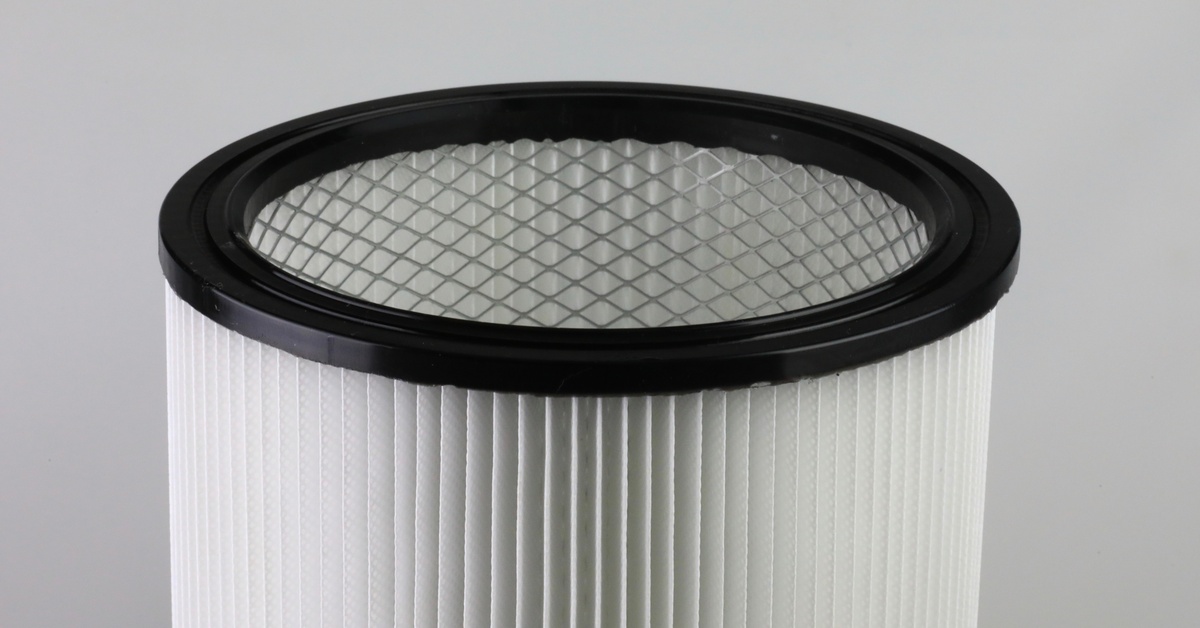
HEPA filters are ideal for environments where particulate matter is the main concern. Cutting, grinding, and material handling operations produce fine dust that facilities must control. In these settings, HEPA filtration helps maintain air quality and protect equipment.
They improve workplace safety by reducing airborne particles that workers can inhale. This is especially important in industries where fine dust poses respiratory risks. By capturing these contaminants, HEPA filters contribute to a safer and more efficient operation. For facilities focused on dust control, HEPA filtration remains one of the most reliable solutions available.
When Carbon Filters Are Necessary
Carbon filters are essential when chemical vapors or odors are present. Facilities that use solvents, adhesives, or coatings need a way to remove airborne chemicals that HEPA filters cannot capture.
These filters improve air quality by reducing exposure to harmful gases. They also help control odors that can affect worker comfort and productivity. In enclosed environments, this becomes even more important.
Carbon filtration is not a replacement for HEPA filters, but it fills a critical gap in contamination control. When chemical exposure is a concern, it becomes a necessary part of the system.
Why Many Facilities Use Both
Facilities often deal with a combination of dust and chemical emissions. In these cases, using both HEPA and carbon filters provides the most complete solution.
A combined system typically captures particles first, then removes gases in a second stage. This layered approach effectively addresses multiple types of contaminants. It also helps maintain consistent air quality across different processes. By using both filtration methods together, facilities can avoid the limitations of relying on a single solution.
Maintaining Filter Performance Over Time
Both HEPA and carbon filters require regular maintenance to perform effectively. As filters become clogged or saturated, their efficiency declines. This can lead to reduced airflow and increased strain on equipment.
Routine inspection helps identify when filters need attention. Proper maintenance improves performance and extends the life of the filtration system. Ignoring maintenance can lead to higher operating costs and reduced air quality. Facilities that prioritize upkeep see better long-term results from their filtration systems.
Reducing Costs With Filter Cleaning and Reuse
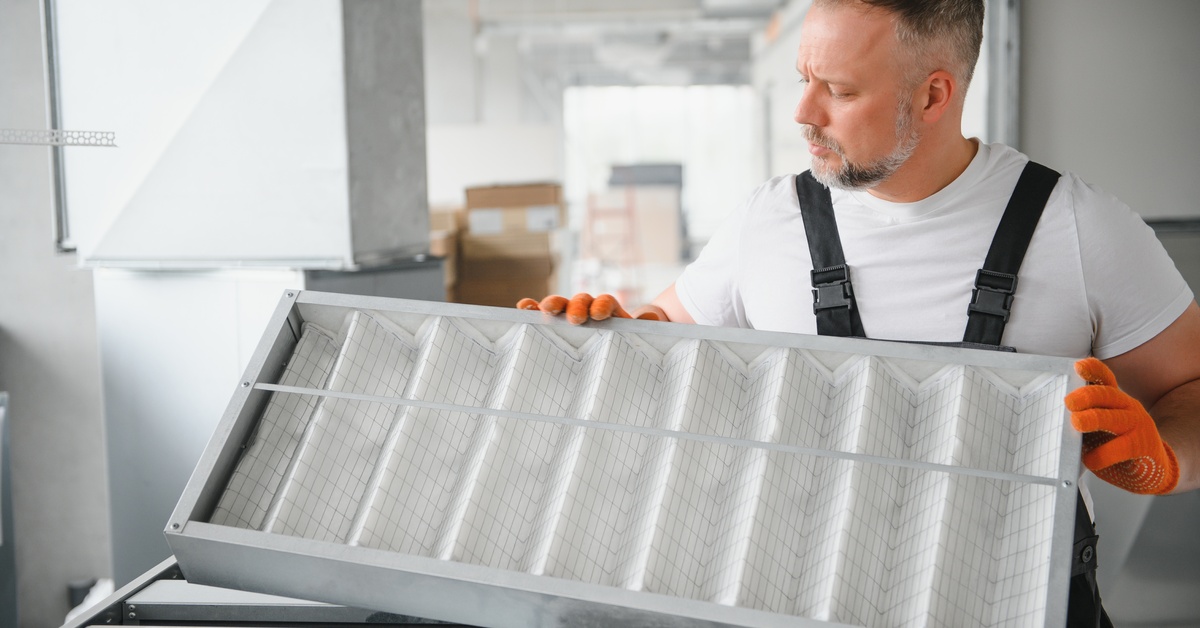
Replacing industrial filters frequently can become expensive, especially in high-demand environments. Many facilities are now turning to cleaning and reuse as a more cost-effective approach.
Cleaning restores filter performance and extends usability. This reduces the need for constant replacement and helps lower overall operating costs. It also supports sustainability by reducing waste.
For operations that rely heavily on filtration, this approach provides both financial and environmental benefits. Maintaining filters properly allows facilities to get more value from their investment.
Choosing the Right Approach for Your Facility
Selecting the right filtration system starts with understanding your environment. The type of contaminants present should guide your decision. HEPA filters work best for particulate control, while carbon filters address chemical exposure.
In many cases, combining both provides the most effective solution. Evaluating your processes and identifying potential risks will help determine the best approach. Working with an experienced provider can also ensure that your system is properly designed and maintained. A well-planned filtration strategy improves air quality while supporting operational efficiency.
Cleaner Air Starts With the Right Filtration Strategy
Understanding the difference between HEPA vs. carbon filters for industrial contamination removal helps facilities make informed decisions about air quality management. Each filter type plays a specific role, and using the right combination ensures better protection for both workers and equipment.
Clean Air Filters specializes in industrial air filtration cleaning and sales, helping facilities maintain high-performing systems without unnecessary replacement costs. Our cleaning process restores used filters to like-new condition, allowing businesses to extend filter life and reduce expenses. This approach supports both efficiency and sustainability while maintaining reliable air quality. Whether you need new filters or want to maximize the performance of existing ones, Clean Air Filters delivers practical solutions backed by industry expertise. Contact us to learn more.