
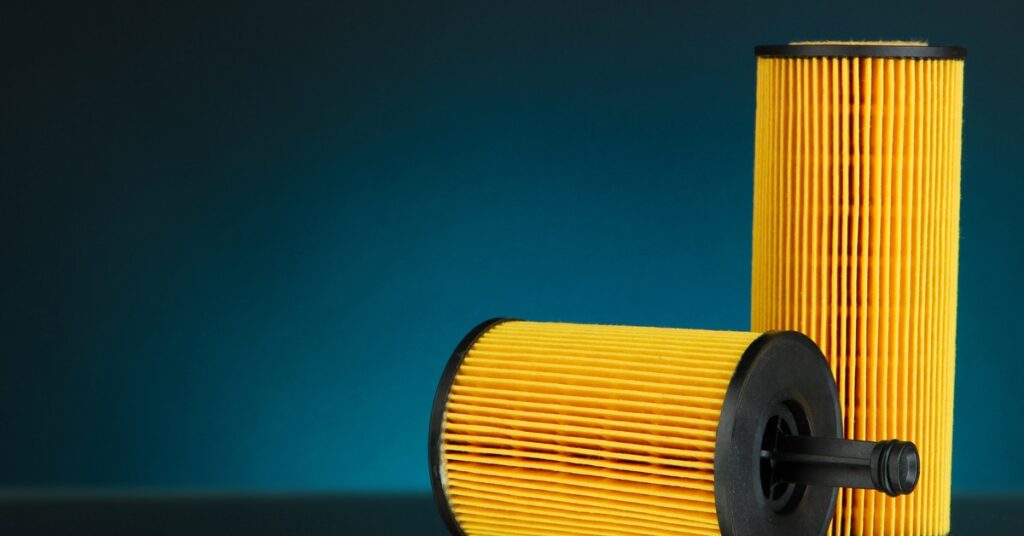
Selecting industrial air filtration for manufacturing is one of the most important decisions you can make for your facility. Air quality directly impacts worker safety, equipment performance, product quality, and regulatory compliance. In manufacturing environments where dust, fumes, and airborne debris are part of daily operations, the right filtration system does more than clean the air. It protects your investment, reduces downtime, and supports long-term operational efficiency. Choosing the correct filtration approach requires careful evaluation of your processes, contaminants, and system design.
Understanding Your Manufacturing Environment
Every manufacturing facility produces a different mix of airborne contaminants. Foundries generate fine metal particulates and heat-related fumes. Fabrication shops often deal with welding smoke and grinding dust. Paint operations introduce overspray and volatile compounds. Woodworking and material handling facilities produce large volumes of combustible dust.
Before you select a filtration system, you must identify exactly what your processes release into the air. Particle size, chemical composition, and overall dust load all influence the type of filter media and system configuration you need. A system that performs well in a light-duty environment may fail quickly under heavy particulate conditions.
You should also evaluate how contaminants move through your space. Airflow patterns, ceiling height, equipment layout, and ventilation design all affect how efficiently a filtration system can capture pollutants. A well-matched system works with your facility’s airflow rather than fighting against it.
Evaluating Dust Load and Particle Size
Not all dust behaves the same way. Larger particles tend to settle quickly and may require pre-filtration to prevent clogging. Fine particles stay suspended longer and demand higher-efficiency media to capture them effectively.
Understanding dust load is critical because it determines how often filters will need cleaning or replacement. High dust environments require durable filters designed for repeated loading and cleaning cycles. If you underestimate dust volume, you will see frequent pressure drops, reduced airflow, and unnecessary downtime.
Fine particulate applications often require specialized media that can maintain efficiency without restricting airflow. Choosing the wrong media can create excessive static pressure, forcing your system to work harder and increasing energy costs.
Matching Filter Media to the Application
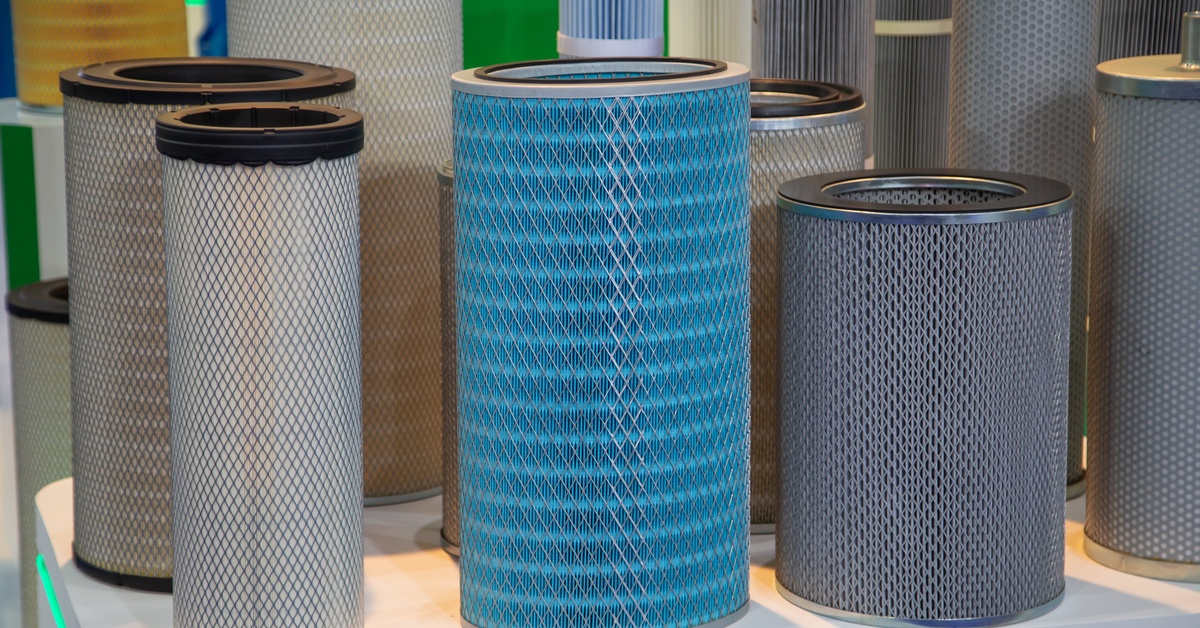
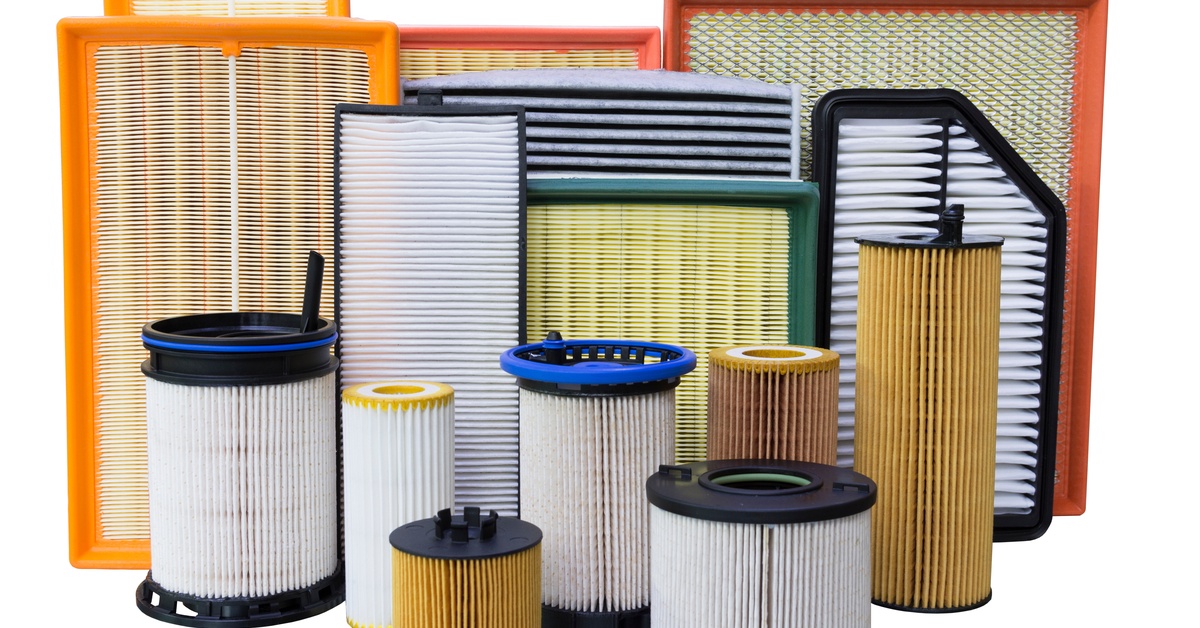
Filter media selection is where many facilities make costly mistakes. Standard media may appear cost-effective upfront, but it can break down prematurely if exposed to abrasive dust, moisture, or chemical vapors.
For example, facilities handling explosive dust must prioritize filters designed to safely manage that risk. In environments with oil mist or sticky particulate, certain filters may not be cleanable at all. Understanding these limitations prevents you from investing in filters that you cannot properly maintain.
You should also consider whether your operation benefits from reusable filters. In many manufacturing settings, professionals can clean and restore high-quality industrial filters instead of discarding them. This approach reduces operating costs and supports sustainability goals without sacrificing performance.
System Design and Airflow Requirements
Air filtration does not operate in isolation. It works as part of a larger dust collection or ventilation system. To perform properly, your system must deliver the correct airflow volume for your production environment.
Airflow calculations should account for capture velocity at the source, duct sizing, and total static pressure. If airflow is too low, contaminants escape into the facility. If it is too high, you waste energy and increase wear on components.
Proper system design also supports even filter loading. Uneven airflow can overload certain filters while underutilizing others. Balanced airflow extends filter life and maintains consistent performance across the system.
Maintenance Planning and Lifecycle Costs
Too many facilities focus only on upfront equipment cost. However, the total lifecycle cost of your filtration system matters far more. Filters require routine inspection, cleaning, or replacement to maintain peak performance.
When you evaluate filtration options, consider how accessible the filters are and how frequently they will require service. Systems designed for easy maintenance reduce labor time and minimize production interruptions. You should also assess whether you can clean and reuse filters.
In many manufacturing environments, cleaning industrial filters can restore them to near-new condition when performed correctly. This option often costs significantly less than purchasing brand-new filters each time. It also reduces waste and keeps usable materials out of landfills.
Compliance and Safety Considerations
Manufacturing facilities must maintain safe air quality for employees and comply with ventilation and dust control standards. While regulations vary by industry, the responsibility remains the same. You must control airborne hazards effectively.
Proper filtration helps reduce exposure to harmful particulates and fumes. It also mitigates the risks associated with combustible dust accumulation. When dust builds up in ductwork or equipment, it creates serious safety concerns.
Selecting a system designed specifically for your manufacturing process ensures you are not taking shortcuts. A well-chosen filtration system supports both operational safety and long-term regulatory compliance.
Energy Efficiency and Operational Impact
Energy efficiency plays a larger role in filtration than many managers realize. Filters that create excessive resistance force fans and motors to work harder. Over time, this increases energy costs and mechanical wear.
High-quality filters maintain airflow while capturing contaminants efficiently. Proper maintenance also keeps pressure drop within acceptable ranges. When filters clog or degrade, energy consumption rises quickly.
By selecting the right filtration media and maintaining it properly, you protect both your equipment and your operating budget. Efficient systems contribute to stable production and predictable utility costs.
Cleaning vs. Replacing Industrial Filters
Many facilities automatically replace filters once they become dirty. However, this approach may not be the most cost-effective solution. In applications where oil saturation or flammable contamination does not damage filters, professional cleaning can restore performance.
A thorough cleaning process removes embedded dust while preserving the integrity of the filter media. When done correctly, it does not shorten the lifespan of the filter. Instead, it extends usable life and reduces overall expenses.
For manufacturing operations with consistent dust loads, incorporating a filter cleaning program into your maintenance plan can significantly lower annual filtration costs. It also supports environmental responsibility by reducing material waste.
Making the Right Long-Term Decision
Selecting industrial air filtration for manufacturing requires more than picking a filter from a catalog. It demands a full understanding of your processes, contaminants, airflow design, maintenance capabilities, and safety requirements. When you approach filtration as a long-term investment rather than a quick purchase, you see stronger performance and fewer operational disruptions.
You should partner with a company that understands both filter performance and the realities of industrial environments. Clean Air Filters is a clean air filter company that specializes in industrial air filter sales and professional filter cleaning services. We help manufacturing facilities improve air management by supplying high-quality replacement filters and restoring used filters to working condition when possible. If you want to reduce costs, extend filter life, and maintain reliable air quality, our team can help you build a smarter filtration strategy. Contact us today.