
Factory managers and industrial leaders obsess over production lines, supply chain logistics, and quarterly output targets, but they often overlook the invisible atmosphere that surrounds every operation. We usually treat air quality as a mere health and safety checkbox, yet it bleeds money from the budget in ways that rarely appear clearly on a spreadsheet. From damaging expensive machinery to lowering workforce efficiency, the hidden costs of poor air quality in industrial facilities can quietly erode profit margins if you leave them unchecked.
The Physical Toll on Your Workforce
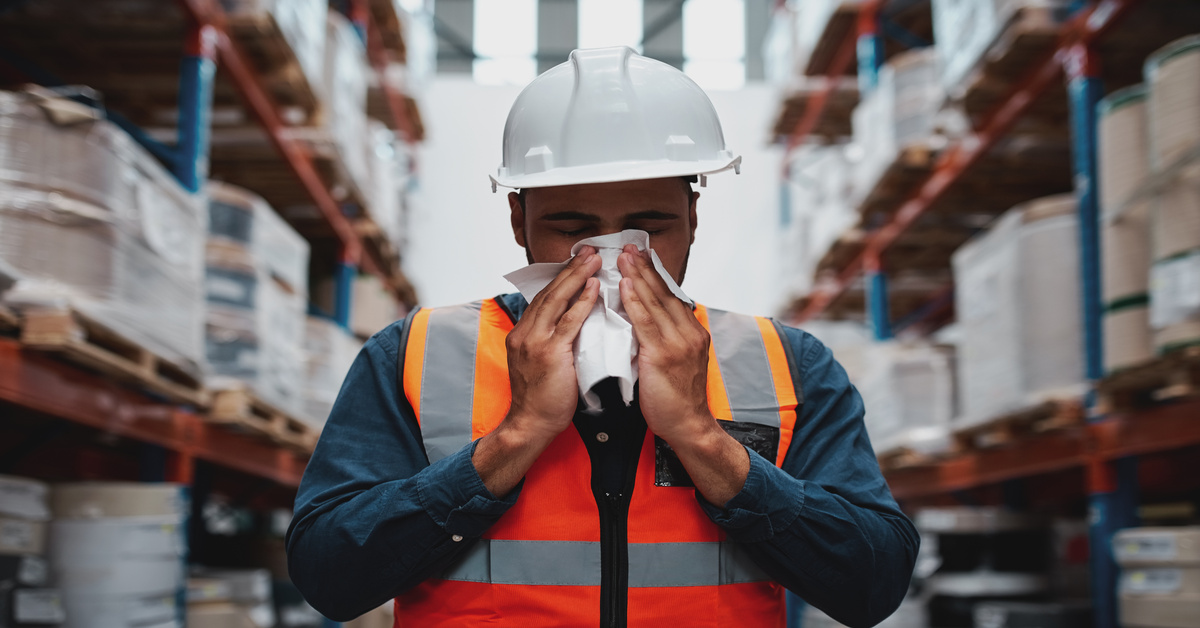
The most direct consequence of polluted industrial air falls squarely on the people working within the facility. Industrial environments naturally generate particulate matter, chemical fumes, and other airborne contaminants during production processes. When a facility fails to filter these elements effectively, the human respiratory system filters them instead. This biological reality leads to immediate and chronic health complications that ripple through the entire organization.
Immediate Health Consequences
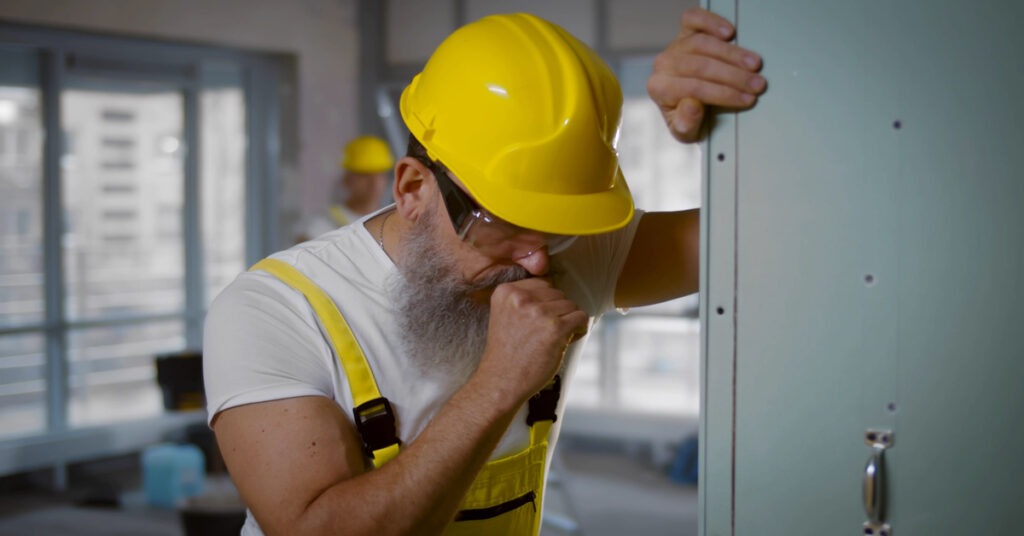
Employees subjected to substandard air quality experience acute symptoms that hinder their ability to perform daily tasks. Eye irritation, headaches, dizziness, and shortness of breath serve as early warning signs. These physical discomforts distract workers from their duties, forcing them to take more frequent breaks to seek relief. A worker fighting off a coughing fit or rubbing irritated eyes cannot maintain the focus required to operate heavy machinery safely or assemble complex components with precision.
Long-Term Occupational Disease
The stakes rise significantly when considering long-term exposure. Chronic respiratory diseases, occupational asthma, and developing sensitivities to certain chemicals can permanently alter an employee’s life. These serious health conditions often result in workers’ compensation claims and higher insurance premiums for the company. A business that gains a reputation for unsafe working conditions struggles to retain skilled labor, leading to high turnover rates. The cost of recruiting and training new staff to replace those who leave due to health concerns represents a substantial, avoidable expense.
The Invisible Drag on Productivity
Productivity loss stems directly from physical health issues, but it manifests in ways that managers might not immediately attribute to air quality. While absenteeism is an obvious metric, presenteeism poses an even more insidious threat to efficiency. Presenteeism occurs when employees come to work but function at a reduced capacity due to illness or discomfort caused by their environment.
Cognitive Decline and Error Rates
Poor air quality affects the mind as well as the lungs. High levels of carbon dioxide and the presence of volatile organic compounds (VOCs) impair cognitive function. Workers in these environments process information slower and struggle with strategic decision-making. In a high-stakes industrial setting, mental fog leads to errors. An assembly line mistake might force a company to scrap or rework a batch of defective products. In worse scenarios, a lapse in concentration causes safety incidents that halt production entirely.
Fatigue and Morale
Stale, contaminated air accelerates physical fatigue. The body works harder to oxygenate the blood when the air supply is poor, leading to lethargy earlier in the shift. This drop in energy correlates with a drop in output during the final hours of the workday. Furthermore, the psychological impact of working in a visibly dusty or hazy environment lowers morale. Employees who feel their employer does not care about their basic well-being feel less motivated to put forth their best effort, creating a culture of apathy that stifles growth.
The Impact on Machinery and Electronics
Human lungs are not the only delicate instruments on a factory floor. Modern industrial equipment relies on precise calibration and often utilizes sophisticated electronic components. Airborne contaminants pose a severe threat to the longevity and reliability of these capital assets.
Heat and Friction
Dust and particulate matter act as thermal insulators. When these particles settle on motors, conveyors, and gearboxes, they trap heat. Overheating remains one of the primary causes of mechanical failure. A motor covered in grime cannot dissipate heat effectively, leading to internal damage and eventual burnout. Additionally, abrasive particles that find their way into moving parts increase friction. This accelerates wear and tear, forcing the maintenance team to replace bearings and seals far more frequently than the manufacturer’s specifications suggest.
Electronic Failure
The control panels and circuit boards that govern modern automation are particularly vulnerable. Conductive dust can cause short circuits across microscopic pathways on printed circuit boards, leading to erratic machine behavior or catastrophic failure. Even non-conductive dust creates problems by coating sensors and interfering with signal transmission. The cost of replacing specialized industrial electronics is high, but the cost of the downtime required to diagnose and repair the issue is often astronomical. Every minute a production line sits idle represents lost revenue that the company cannot recover.

The Strain on Energy Efficiency
Facility managers constantly seek ways to reduce utility bills, yet poor air filtration often works against these efforts. The HVAC system acts as the lungs of the building, and when the air is dirty, the system consumes significantly more energy to function.
Increased Static Pressure
As air filters capture particulate matter, they eventually become clogged. In a facility with poor air quality control, filters load up with debris much faster. This blockage creates resistance, known as static pressure, against the airflow. The HVAC fans must work much harder to push air through a clogged filter to maintain the required airflow rates. This increased workload draws more electricity, causing energy meters to spin faster even though the building’s temperature remains the same.
Heat Transfer Inefficiency
When filtration fails, dust bypasses the filter media and settles on the heating and cooling coils inside the HVAC unit. These coils rely on clean surfaces to transfer thermal energy to the air. A layer of dust acts as a blanket, insulating the coils and preventing them from heating or cooling the air efficiently. The system must then run for longer cycles to reach the thermostat’s setpoint. This creates a cycle of waste where the facility pays for energy that provides no benefit, simply because the equipment fights against the contaminants in the air.
Investing in a Cleaner Future
The choice to defer maintenance on air systems or delay upgrades to filtration units often masquerades as a cost-saving measure. However, when you tally the losses from healthcare claims, reduced productivity, equipment failure, legal risks, and inflated energy bills, the math changes drastically. The hidden costs of poor air quality in industrial facilities prove that clean air is not a luxury, but a fundamental operational necessity.
Clean Air Filters specializes in enhancing industrial air filtration. By regularly replacing or cleaning your filters, you ensure that your facility remains a safe, efficient, and profitable environment. Explore our solutions and improve your facility’s air management today.