
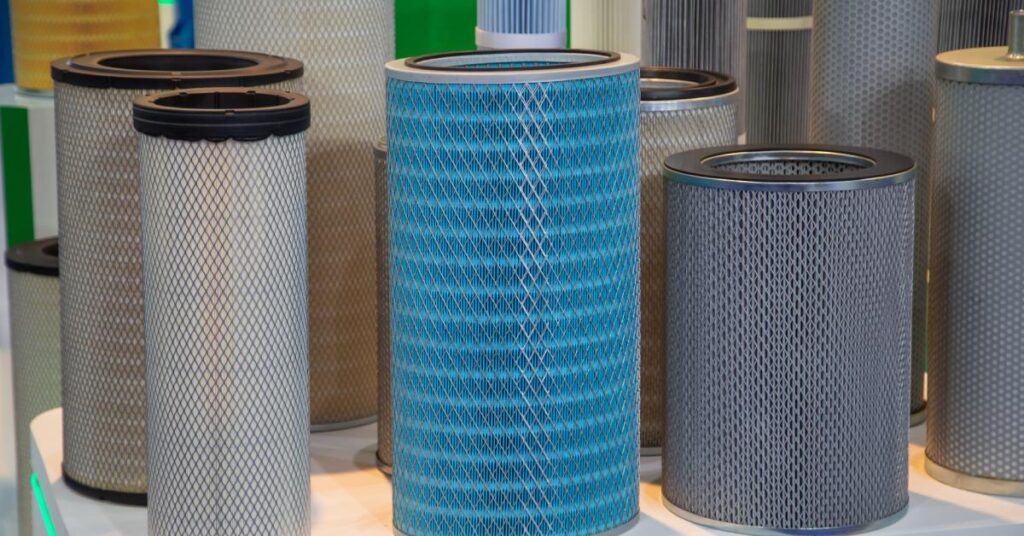
Managing filtration needs across several facilities presents unique challenges for maintenance and procurement teams. When operations span multiple plants, warehouses, or production sites, consistency and reliability in air filtration become critical. Many organizations solve this challenge through bulk air filter purchasing for multi-site facilities, which helps standardize inventory, simplify procurement, and ensure consistent air quality across locations. By purchasing filters in larger quantities and coordinating supply across sites, facility managers control costs, simplify maintenance planning, and reduce downtime risks.
The Complexity of Managing Filters Across Multiple Locations
Organizations with multiple facilities often face logistical challenges when it comes to air filtration. Each location may operate different equipment, maintain separate inventories, or follow varying maintenance schedules. Without coordination, this leads to inconsistent purchasing practices and fragmented supply chains.
When each site orders filters independently, procurement teams may struggle with fluctuating pricing, delayed shipments, and excess inventory in some locations while others experience shortages. Maintenance managers can also face delays if the correct filter type is not available when equipment requires replacement.
Centralizing purchasing through a bulk strategy simplifies these issues. Procurement teams can standardize commonly used filters, coordinate delivery schedules, and maintain predictable inventory levels across all locations. This approach also improves visibility, allowing organizations to monitor filter usage patterns and plan maintenance more effectively.
Standardization Improves Operational Efficiency
Standardization plays a significant role in maintaining efficiency across multiple facilities. When different sites use inconsistent filter types or specifications, maintenance teams spend more time identifying compatible replacements or sourcing new inventory.
Bulk purchasing encourages facilities to standardize their filtration equipment and replacement parts whenever possible. This simplifies maintenance procedures and reduces confusion among technicians responsible for servicing equipment.
Standardization also supports training consistency. Maintenance teams working across multiple locations can follow the same procedures and handle familiar equipment configurations. This reduces errors, shortens service times, and improves overall reliability in filtration performance.
In addition, standardized filtration systems make it easier for organizations to monitor air quality performance across locations. Managers can compare equipment performance and maintenance cycles more accurately when locations use the same filter models and specifications.
Inventory Control and Predictable Supply
One of the biggest advantages of purchasing filters in bulk is improved inventory control. Multi-site facilities must balance maintaining adequate stock while avoiding unnecessary storage costs. Without centralized coordination, some facilities may overstock filters while others run short.
A bulk purchasing strategy allows companies to forecast usage across all locations. Procurement teams can analyze maintenance schedules and equipment requirements to determine how many filters each facility needs over time. This allows organizations to maintain a stable supply without excessive inventory buildup.
Predictable supply also reduces operational disruptions. When filters are readily available, maintenance teams can replace them promptly, preventing airflow restrictions or equipment strain caused by clogged filtration systems.
Reliable supply chains are particularly important in industrial environments where dust, fumes, and debris accumulate quickly. Maintaining proper filtration ensures safe working conditions and protects sensitive equipment from airborne contaminants.

Cost Advantages of Bulk Purchasing
Cost control remains one of the primary motivations behind bulk purchasing strategies. When organizations buy filters individually for each location, they often pay higher per-unit costs and incur additional shipping expenses.
Bulk purchasing allows companies to consolidate orders and negotiate more favorable pricing. Larger orders typically reduce unit costs, which can significantly lower operational expenses across multiple facilities.
Shipping efficiencies also contribute to savings. Coordinating deliveries for multiple locations reduces transportation costs and simplifies logistics management. Instead of processing numerous small shipments, procurement teams can schedule larger deliveries or distribute filters strategically between facilities.
Over time, these savings add up. Organizations that adopt bulk purchasing strategies often see reduced procurement costs while maintaining consistent access to high-quality filtration products.
Supporting Preventive Maintenance Programs
Preventive maintenance plays a critical role in maintaining air filtration systems. Filters gradually accumulate dust, debris, and airborne particles that restrict airflow and reduce system efficiency. Replacing them at appropriate intervals ensures equipment continues operating at optimal performance.
When facilities lack sufficient filter inventory, maintenance schedules can become inconsistent. Technicians may delay replacements simply because the required filters are not available at the time of service.
Bulk purchasing supports proactive maintenance by ensuring replacement filters remain readily accessible. Maintenance teams can follow consistent schedules without worrying about supply shortages.
Consistent maintenance improves airflow performance, reduces strain on ventilation systems, and helps maintain safe air quality conditions in industrial environments. This is particularly important in manufacturing settings where airborne contaminants may affect worker safety and production quality.
Coordinating Procurement and Facility Management
Effective bulk purchasing requires collaboration between procurement teams and facility managers. Procurement specialists often focus on cost management and vendor relationships, while maintenance teams prioritize equipment performance and operational reliability.
By working together, these teams can identify the filter types used most frequently across facilities and establish purchasing strategies that meet operational needs. Procurement teams can negotiate supply agreements while maintenance managers provide insight into filter performance and replacement schedules.
Communication between departments also improves long-term planning. As facilities expand or upgrade equipment, procurement strategies can adjust to ensure continued consistency in filtration supplies. For organizations with multiple locations, this collaboration creates a more efficient and resilient maintenance framework.
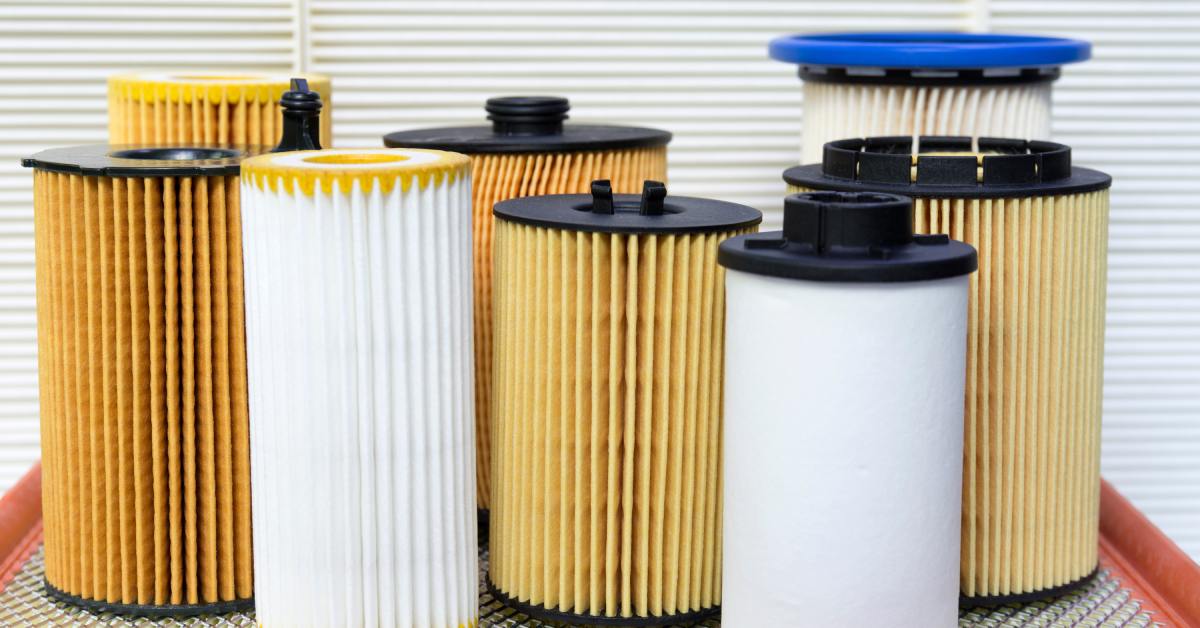
Sustainability Considerations in Filter Management
Many companies also consider environmental impact when managing filtration systems. Large facilities eventually replace industrial air filters, which generates significant quantities of used filters over time.
Bulk purchasing strategies can support more sustainable filtration practices by encouraging coordinated recycling or cleaning programs. Some organizations extend filter lifespan through professional cleaning services when filters remain structurally sound.
Reusing filters when appropriate reduces waste and lowers operational costs. It also helps companies meet environmental goals while maintaining effective filtration systems. Organizations increasingly look for filtration partners that support both new filter supply and responsible reuse strategies.
Strengthening Facility Reliability Through Strategic Purchasing
Air filtration directly affects facility performance, equipment longevity, and workplace safety. When filtration systems operate efficiently, facilities experience fewer airflow disruptions and maintain healthier working environments.
Bulk purchasing helps organizations maintain this reliability across multiple sites. With consistent supply, standardized equipment, and predictable maintenance schedules, facilities can operate more smoothly and avoid unexpected interruptions.
For companies managing numerous production sites or warehouses, these advantages create a more stable operational environment. Procurement becomes simpler, maintenance becomes more predictable, and facilities maintain stronger control over air quality management.
Partnering With the Right Filtration Supplier
Organizations looking to improve efficiency across several locations often turn to bulk air filter purchasing for multi-site facilities as a practical strategy for controlling costs and maintaining reliable filtration systems. Coordinated purchasing simplifies procurement, strengthens maintenance planning, and ensures every facility has consistent access to the filters required for safe and efficient operations.
Clean Air Filters specializes in industrial air filter sales and supports organizations that need dependable filtration solutions across multiple locations. We provide high-quality replacement filters and services designed to help facilities maintain strong air quality while managing operational costs. By partnering with a supplier that understands the needs of industrial operations, companies can build a reliable filtration strategy that supports every site within their network. Contact us to learn more.