
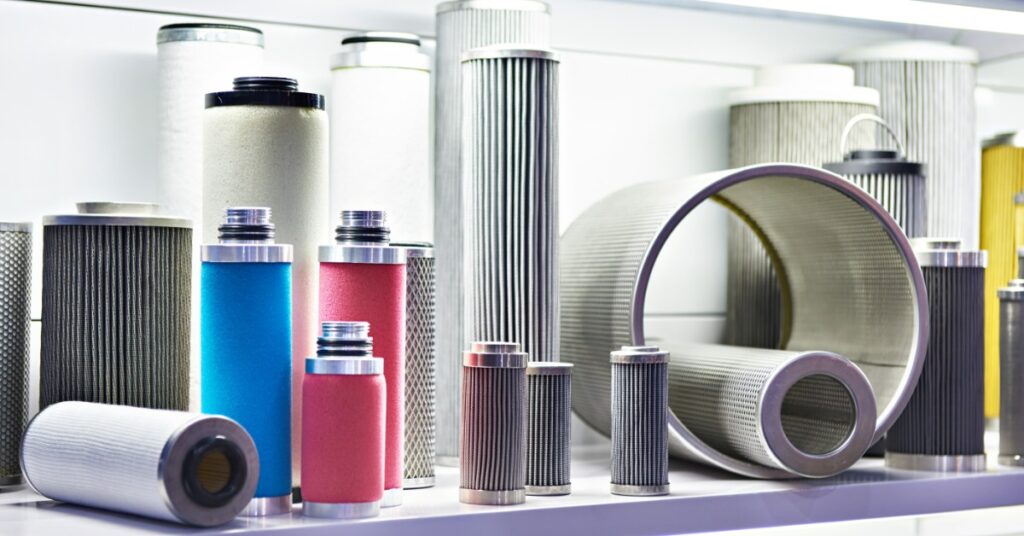
HEPA filters play a critical role in industrial environments where fine dust, fumes, and airborne contaminants are part of daily operations. Over time, these filters become loaded with particulate, airflow drops, and system efficiency suffers. Many facilities automatically replace filters at this point, but extending HEPA filter life with professional cleaning offers a smarter and more cost-effective solution. The right process restores performance, protects your equipment, and significantly reduces operating costs without compromising air quality.
Why HEPA Filters Lose Performance
HEPA filters capture extremely small particles, which makes them essential in manufacturing plants, fabrication shops, and other dust-heavy operations. As contaminants accumulate within the media, resistance increases. This added restriction reduces airflow and forces your system to work harder.
When airflow declines, dust collection efficiency can drop at the source. Fans compensate by operating under greater strain, which increases wear on mechanical components. Over time, what began as simple particulate buildup can affect overall system performance.
In many cases, the filter itself has not failed structurally. It has simply reached a point where cleaning is necessary to restore proper airflow.
The Cost of Replacing Too Soon
Replacing HEPA filters every time performance drops may seem like the safest option, but it often leads to unnecessary expense. The cost goes beyond the price of a new filter. You must also consider labor for changeouts, downtime, shipping, and disposal.
For facilities operating multiple collectors or air handling systems, frequent replacement quickly impacts maintenance budgets. It can also disrupt production schedules if filters are not readily available.
Professional cleaning offers a practical alternative. When a filter’s frame, media, and seals remain intact, cleaning can return it to service at a fraction of the cost of buying new.
How Professional HEPA Filter Cleaning Works
Proper HEPA filter cleaning is not a simple blowout with compressed air. In fact, improper handling can damage the delicate filter media and shorten its lifespan. A professional process follows controlled procedures designed specifically for high-efficiency filters.
The process begins with inspection. Technicians evaluate each filter to determine whether it qualifies for cleaning. Filters contaminated with excessive oil or certain hazardous materials may not be suitable candidates.
If approved, the filter undergoes a specialized cleaning method that removes embedded particulate while preserving the integrity of the media. Technicians handle the filter carefully to protect pleat spacing, gaskets, and structural components. After cleaning, the filter is re-evaluated to ensure it remains fit for service. This methodical approach restores function without compromising performance.
Restoring Airflow and Efficiency
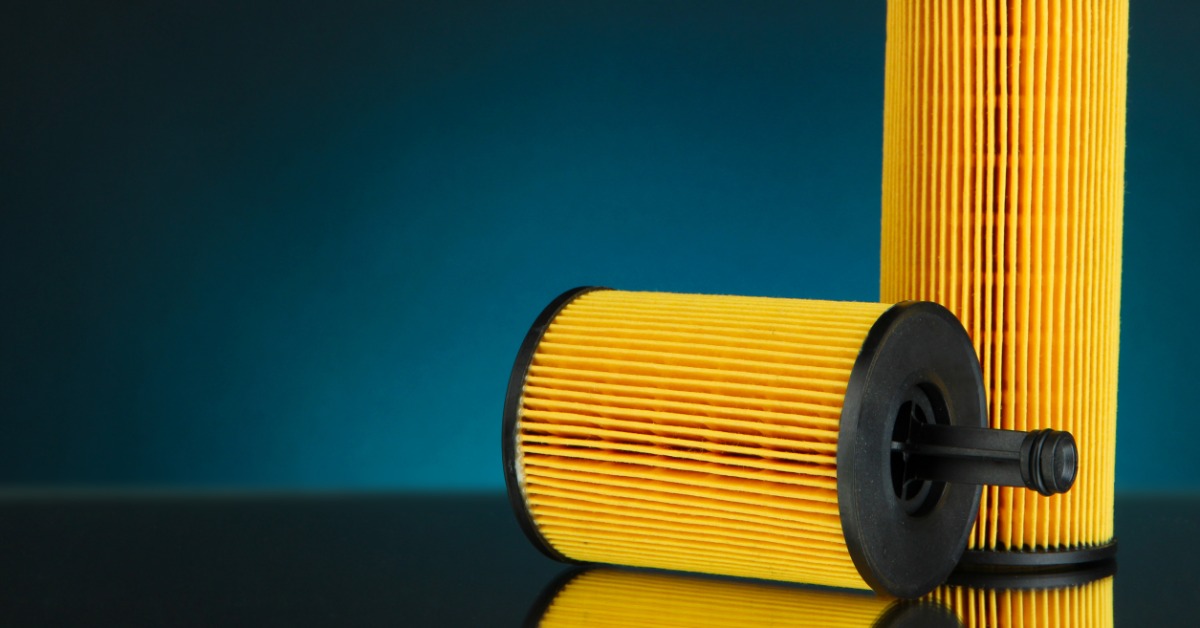
Airflow restriction is one of the first indicators that a HEPA filter requires attention. As buildup increases, static pressure rises and system efficiency drops. Left unaddressed, this can impact air quality within the facility.
Professional cleaning removes the dust load that causes restriction. Once airflow improves, your system can operate closer to its intended design. Fans no longer strain to compensate for clogged media, which helps extend the life of other equipment components.
Restoring airflow also improves dust capture effectiveness. In environments where worker safety and product quality depend on proper ventilation, this restoration is critical.
Protecting Filter Integrity
One common concern among plant managers is whether cleaning will weaken the filter. Improper techniques create this risk, but a controlled professional process prevents these issues.
Experienced technicians understand how to handle HEPA media without causing tears or distortion. They inspect frames and seals to confirm they remain structurally sound before returning the filter to service.
When a technician performs cleaning correctly, it does not shorten the life of the filter. Instead, it removes the buildup that would otherwise accelerate wear and increase system strain.
When Replacement Is the Right Choice
You should not clean every HEPA filter. Filters saturated with oily substances or certain combustible contaminants may require replacement instead. A professional evaluation ensures that only suitable filters move forward in the cleaning process.
This balanced approach protects your equipment and your facility. Cleaning should enhance performance, not introduce risk. By working with an experienced provider, you gain clarity on when cleaning makes sense and when replacement is necessary. A strategic combination of cleaning and replacement creates a more efficient filtration program overall.
Financial Benefits of Professional Cleaning
For plant managers and maintenance teams, budget control is always a priority. Air filtration is essential, but it should not become a runaway expense. Cleaning HEPA filters provides measurable savings compared to purchasing new units each cycle.
Reducing replacement frequency lowers procurement costs and minimizes inventory pressure. It also reduces downtime associated with changeouts. When filters return to service performing at high levels, facilities maintain production continuity without sacrificing air quality.
These savings compound over time. For operations running multiple dust collectors or air handling systems, cleaning programs can significantly reduce annual filtration expenses while maintaining compliance and performance standards.
Supporting Sustainability and Waste Reduction Goals
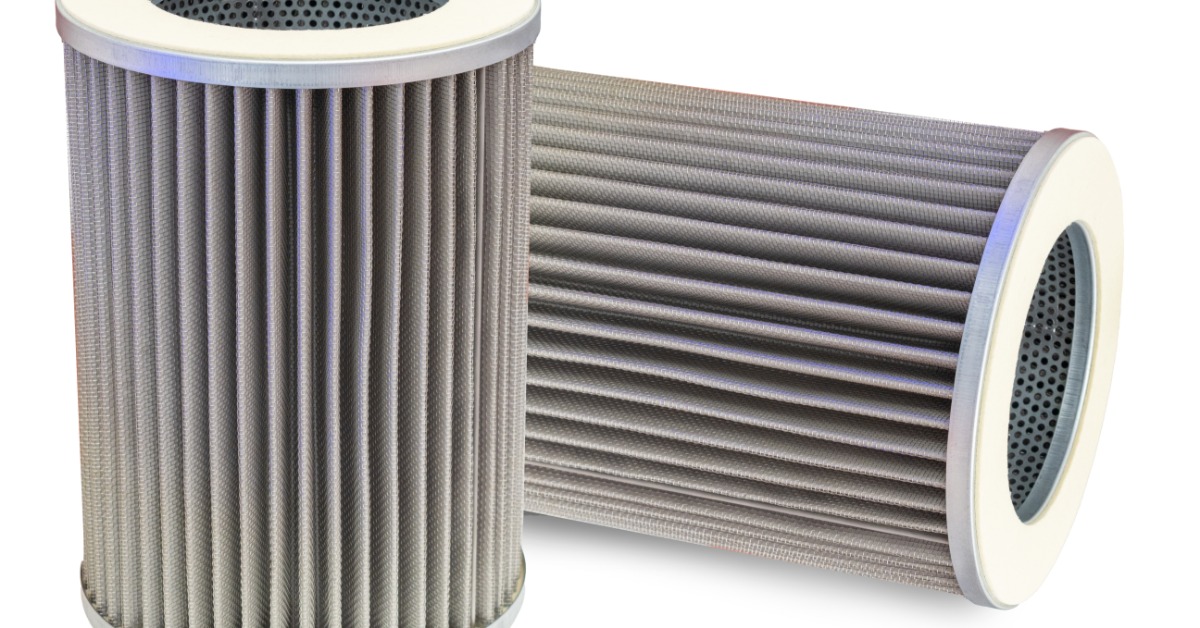
Industrial operations increasingly focus on reducing waste and operating more sustainably. Reusing and restoring filters aligns with these objectives. Rather than discarding structurally sound filters, cleaning allows facilities to extract the full value from each unit.
By extending service life, you reduce landfill contributions and decrease the environmental impact associated with manufacturing and shipping new filters. This supports corporate sustainability initiatives without compromising operational efficiency.
Sustainability does not have to conflict with performance. In fact, a well-managed cleaning program enhances both.
Building Cleaning Into Preventive Maintenance
The most effective facilities treat HEPA filter cleaning as part of a preventive maintenance strategy. Rather than waiting for severe restriction, they monitor system performance and schedule cleaning proactively.
This approach prevents sudden efficiency drops and emergency replacements. It also allows for better budget planning and more predictable maintenance cycles. By integrating cleaning into your overall air filtration management plan, you maintain consistent performance while controlling long-term costs.
A Smarter Way To Manage HEPA Filters
Extending HEPA filter life with professional cleaning gives industrial facilities a practical way to restore airflow, reduce expenses, and support sustainable operations. Instead of viewing reduced performance as the end of a filter’s service life, you can treat it as a maintenance opportunity. When handled correctly, professional cleaning preserves filter integrity and returns units to effective working condition.
Clean Air Filters specializes in industrial air filter sales and professional air filter cleaning services nationwide. Our team carefully evaluates each HEPA filter, restores eligible units using controlled processes, and helps facilities reduce replacement costs without sacrificing air quality. If you want a reliable, cost-effective approach to filter management, Clean Air Filters is ready to support your operation. Contact us today to learn more.