
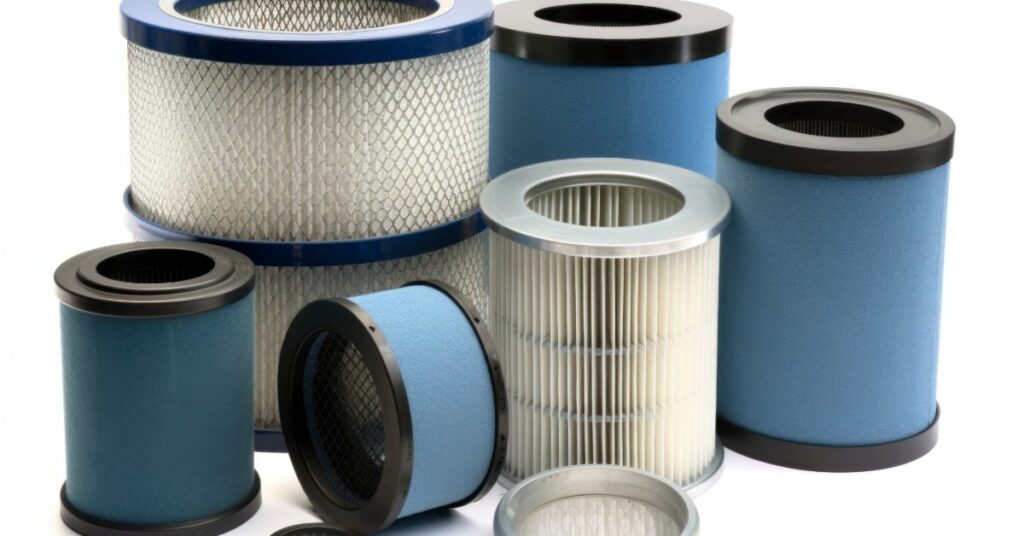
Industrial facilities depend on HEPA filtration systems to control airborne contaminants and maintain safe working conditions. As these filters capture fine particles, they gradually become restricted and less efficient, which often leads to replacement. However, replacing filters too frequently increases both operational costs and environmental impact. Understanding why cleaning industrial HEPA filters is sustainable allows facility managers to improve performance while reducing waste and resource consumption.
Extending the Life of HEPA Filters
HEPA filters handle demanding industrial environments where airborne particles remain constant. Engineers design HEPA filters for durability, but many facilities still treat them as disposable once performance declines. This approach cuts their lifespan short and increases the need for new filters.
Cleaning restores airflow and removes accumulated debris without damaging the filter media. This allows the filter to return to service and continue performing as intended. Extending each filter’s life reduces replacement frequency and directly lowers material consumption.
When facilities shift to a maintenance strategy that includes cleaning, they maximize the value of every filter in use. This approach supports sustainability by reducing unnecessary waste and making better use of existing resources.
Reducing Waste in Industrial Environments
Air filters contribute more to industrial waste than many teams realize. Operations that generate high levels of dust or airborne particles often replace filters frequently, which creates a steady stream of discarded materials. These used filters often contain trapped contaminants, which adds complexity to disposal.
Cleaning provides a practical way to reduce this waste. Instead of discarding filters after one cycle, facilities can restore them and put them back into service. This keeps filters out of landfills and reduces the volume of waste generated by daily operations.
Reducing waste at the source is one of the most effective ways to improve sustainability. By choosing to clean rather than replace, facilities take a direct step toward more responsible waste management without changing their core processes.
Improving Energy Efficiency Through Proper Airflow
Clogged filters do more than reduce air quality. They also force filtration systems to work harder to maintain proper airflow. This increases energy consumption and places additional strain on equipment throughout the facility.
Cleaning HEPA filters restores airflow to optimal levels. When air moves freely through the system, fans and motors operate more efficiently. This reduces energy use and helps maintain stable operating conditions.
Energy efficiency plays a major role in sustainability efforts. By maintaining clean filters, facilities can lower their overall energy demand while supporting consistent system performance. This creates a more efficient operation without requiring major equipment upgrades.
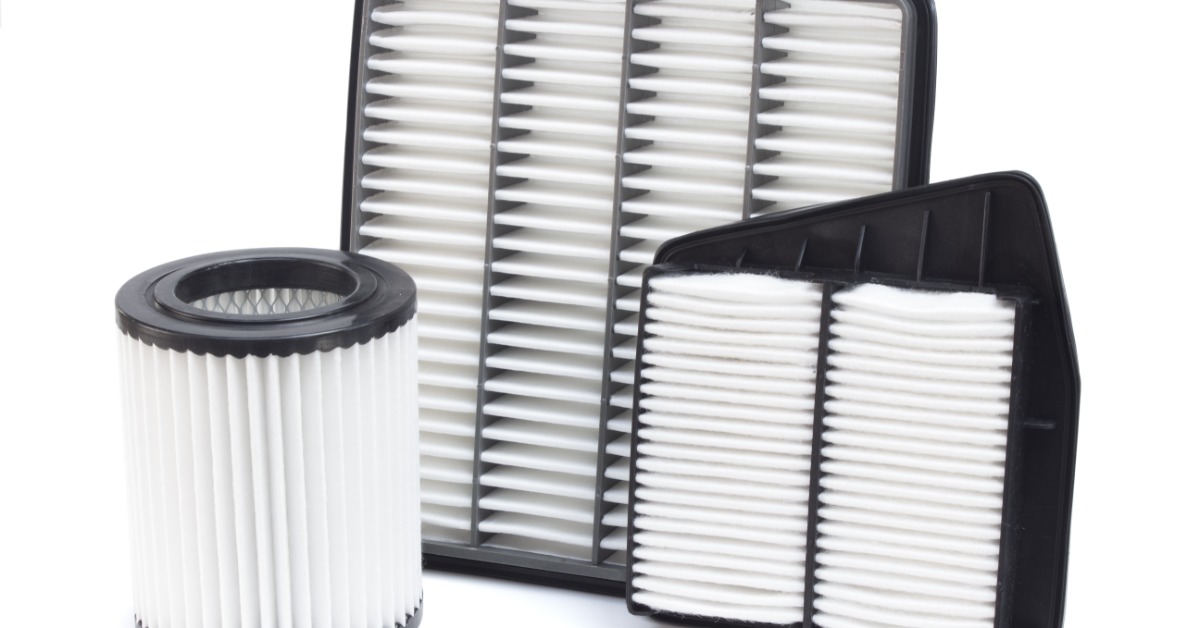
Supporting Cost-Effective Sustainability
Many sustainability initiatives require significant investment, which can slow adoption in industrial settings. Cleaning HEPA filters offers a more practical solution by delivering both environmental and financial benefits at the same time.
Restoring filters costs less than replacing them, which helps facilities reduce ongoing expenses. Clean Air Filters supports this approach by providing cleaning services that restore filter functionality while helping customers avoid the full cost of new replacements. This makes sustainability an easier decision because it aligns with cost-saving goals.
When sustainability efforts also improve the bottom line, they are more likely to become part of standard operations. Cleaning filters allows facilities to reduce waste and expenses without sacrificing performance.
Maintaining Reliable Filtration Performance
Performance remains a top priority in industrial environments. Any maintenance approach must support consistent air quality and system reliability. Cleaning HEPA filters meets this requirement when done using proper processes.
Specialized cleaning methods remove embedded particles without damaging the structure of the filter. This ensures that the filter continues to capture fine contaminants effectively. Rather than weakening the filter, cleaning helps it operate closer to its original condition.
This reliability is critical in industries where air quality directly impacts product quality or worker safety. Cleaning provides a sustainable solution that maintains the performance standards required in these environments.
Supporting a Circular Approach to Filtration
Traditional filtration practices follow a linear model. Facilities use filters until they lose efficiency, then discard and replace them. This cycle consumes materials and generates waste with every replacement.
Cleaning introduces a more circular approach. Instead of ending the filter’s life after one cycle, facilities restore and reuse the filter. This keeps materials in use longer and reduces the need for new production.
A circular model supports long-term sustainability by minimizing waste and conserving resources. It also helps facilities reduce their dependence on new materials while maintaining consistent filtration performance.
Enhancing Equipment Longevity and Stability
Air filtration systems support broader facility operations. When filters become clogged, they create uneven airflow and increase pressure within the system. This can lead to wear on fans, motors, and other components.
Cleaning filters helps maintain balanced airflow, which reduces strain on equipment. When systems operate within their intended range, they experience less wear and require fewer repairs. This extends the lifespan of key components and supports more stable operations.
Longer equipment life contributes to sustainability by reducing the need for replacements and minimizing resource use. It also helps facilities avoid downtime and maintain consistent productivity.
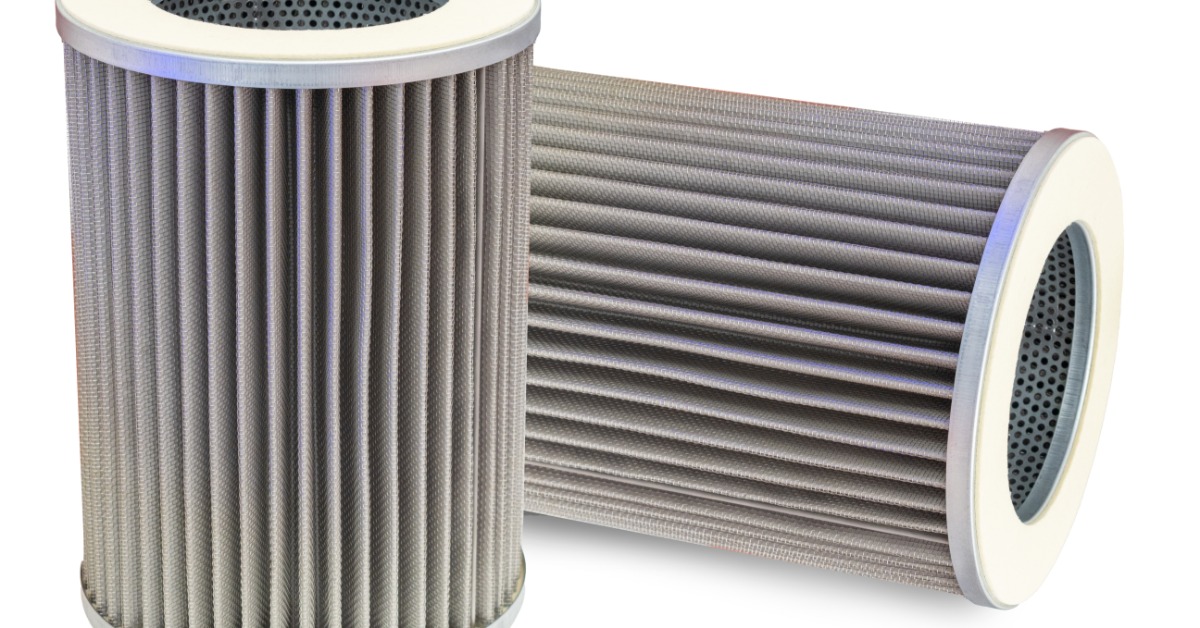
Aligning With Environmental Goals and Expectations
Industrial companies face increasing expectations to reduce their environmental impact. Customers, partners, and internal stakeholders all look for signs of responsible resource management. Cleaning HEPA filters offers a straightforward way to support these expectations.
It allows facilities to reduce waste, conserve materials, and improve efficiency without major operational changes. This makes it easier to implement compared to larger sustainability initiatives that require extensive planning. By incorporating filter cleaning into regular maintenance practices, facilities can demonstrate a commitment to sustainability while continuing to meet production demands.
Creating Long-Term Value Through Smarter Maintenance
Sustainability is not a one-time effort. It requires consistent practices that improve efficiency and reduce waste over time. Cleaning HEPA filters fits naturally into a proactive maintenance strategy that supports these goals.
Instead of reacting to reduced performance with immediate replacement, facilities can plan for regular cleaning cycles. This approach keeps filters operating efficiently and reduces unexpected disruptions. It also helps maintenance teams manage resources more effectively.
Over time, this strategy creates long-term value by lowering costs, improving system reliability, and reducing environmental impact. It turns sustainability into a routine part of operations rather than a separate initiative.
Sustainable Filtration With Clean Air Filters
Understanding why cleaning industrial HEPA filters is sustainable highlights the importance of extending filter life, reducing waste, and improving system efficiency. Cleaning allows facilities to maintain high performance while lowering both environmental impact and operational costs.
Clean Air Filters provides industrial filter cleaning services that restore filters to reliable working condition. Our process helps facilities reuse filters safely, reduce waste, and avoid unnecessary replacement expenses. We also offer high-quality replacement filters when needed, giving customers a complete solution for maintaining air quality in demanding environments. Contact us to learn more.