
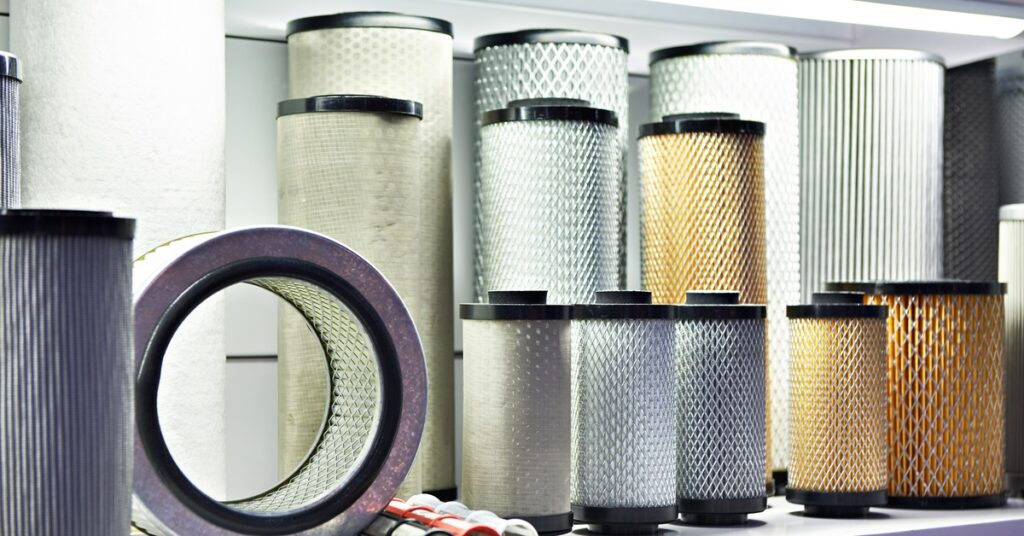
Industrial air filtration is not a one-size-fits-all decision, and choosing the wrong filter can quietly create costly problems over time. Poor air quality affects worker safety, equipment performance, and even product quality, especially in environments that generate heavy dust, fumes, or airborne debris. Understanding the key specs to check before buying an industrial air filter helps you choose the right filter for your operation instead of relying on guesswork.
Filtration Efficiency and Particle Capture
Filtration efficiency is one of the first specifications professionals should examine, because it determines how well the filter removes airborne contaminants from your facility. Industrial processes release particles of different sizes, from visible dust to microscopic contaminants that linger in the air. A filter designed for coarse debris may look clean on the surface while allowing smaller, more harmful particles to pass through. That is why it is critical to evaluate how efficiently a filter captures the specific particle range generated by your operation.
In real-world facilities, filtration efficiency impacts more than air quality alone. High-efficiency filters reduce the buildup of contaminants on machinery, electrical components, and finished products. This translates into lower maintenance costs, fewer equipment failures, and a cleaner work environment overall. When selecting a filter, efficiency should always align with the actual contaminants present, not just general expectations.
Airflow Capacity and Pressure Drop
Airflow capacity determines how much air a filter can move through the system without restricting performance. If a filter cannot handle the airflow requirements of your equipment, the system must work harder to compensate. This added strain increases energy consumption and accelerates wear on fans and motors. Over time, improper airflow can shorten equipment lifespan and increase operating costs.
Pressure drop directly affects airflow capacity and deserves equal attention. As air passes through a filter, resistance naturally occurs, but excessive resistance signals a mismatch between the filter and the system. A filter with an appropriate pressure drop maintains consistent airflow while still capturing contaminants effectively. Balancing airflow capacity and pressure drop ensures your system performs efficiently without sacrificing filtration quality.
Filter Media Type and Construction
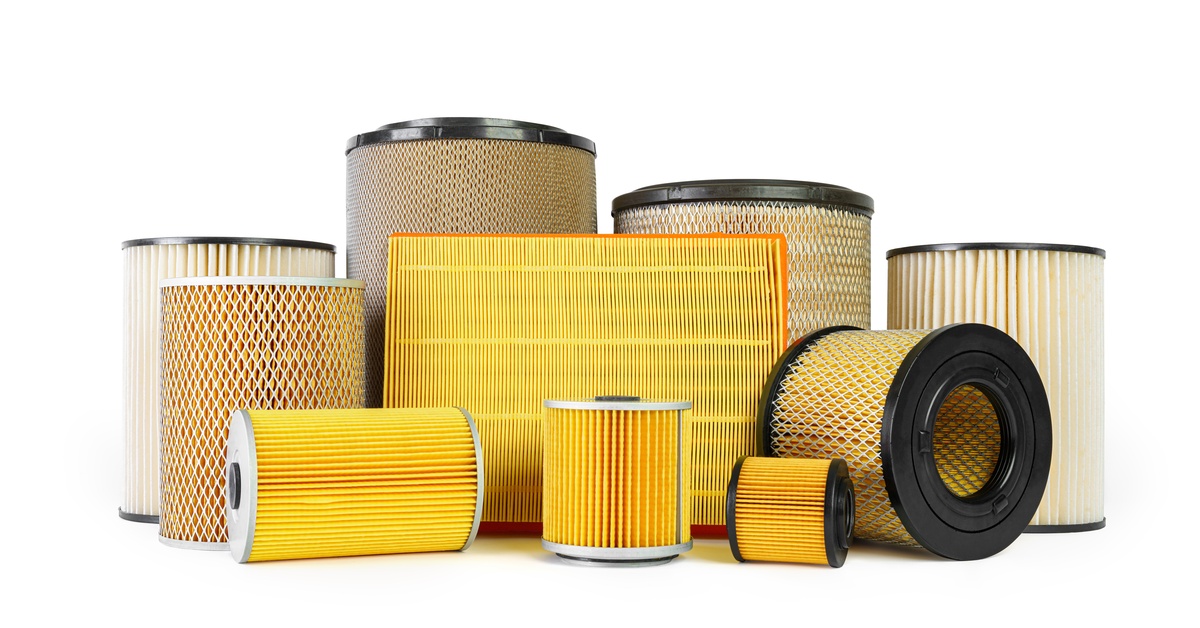
The filter media itself plays a major role in how well an industrial air filter performs under demanding conditions. Different media types can handle different contaminants, temperatures, and moisture levels. Some environments require rigid, durable media that can withstand heavy dust loading, while others benefit from flexible media that maximizes surface area for extended service life.
Construction quality also matters more than many buyers realize. Poorly constructed filters can leak air around the edges, allowing contaminants to bypass the media entirely. Strong frames, secure seals, and consistent pleat spacing all contribute to reliable performance. In industrial settings where downtime is expensive, durable construction is not a luxury but a necessity.
Dust Holding Capacity and Service Life
Dust holding capacity refers to how much contaminant a filter can capture before it becomes clogged and needs replacement or cleaning. A filter with low dust holding capacity may appear affordable upfront but require frequent changeouts that disrupt operations. Over time, these interruptions add labor costs and increase the risk of reduced air quality between maintenance intervals.
Longer service life offers clear operational advantages. Filters that hold more dust maintain stable airflow for longer periods and reduce the frequency of maintenance tasks. For facilities running multiple shifts or continuous production, extended service life helps maintain consistency and reduces the burden on maintenance teams. Evaluating this spec carefully prevents unexpected downtime and keeps systems running smoothly.
Compatibility With Existing Equipment
Even the highest-quality filter will underperform if it does not properly fit your existing equipment. Industrial air filtration systems come in many configurations, and dimensions must match precisely to avoid gaps, leaks, or installation issues. Improper fit allows unfiltered air to bypass the filter, undermining its effectiveness and exposing workers and equipment to contaminants.
Compatibility also includes how the filter integrates with cleaning or replacement processes. Filters that are difficult to access or remove increase labor time and create opportunities for installation errors. Choosing filters designed to work seamlessly with your equipment simplifies maintenance and ensures consistent performance throughout the filter’s lifespan.
Environmental and Operating Conditions
Industrial environments vary widely, and operating conditions should always influence filter selection. Temperature extremes, humidity levels, and exposure to chemicals or oils can all affect filter performance. A filter that works well in a dry fabrication shop may fail prematurely in a high-moisture or high-heat environment.
Understanding these conditions allows you to choose materials and designs that maintain integrity over time. Filters built for harsh environments resist degradation and maintain their filtration properties longer. Factoring in environmental conditions protects your investment and ensures reliable air quality even under challenging circumstances.
Maintenance Requirements and Cleanability
Maintenance requirements are easy to overlook during the buying process, yet they significantly impact long-term costs. Some filters require frequent replacement, while you can clean and reuse others without sacrificing performance. Cleanable filters offer a cost-effective option for facilities looking to reduce waste and control expenses.
Ease of maintenance also matters. Filters that are simple to remove, clean, and reinstall reduce labor time and minimize disruption. When maintenance teams can service filters efficiently, systems return to optimal performance faster. Evaluating maintenance requirements upfront prevents surprises and supports better planning over the life of the filter.
Energy Efficiency and Operational Costs
Energy efficiency ties together many of the specifications discussed earlier. Filters that restrict airflow or clog quickly force systems to consume more energy to maintain performance. Over time, this increased energy demand raises operating costs and stresses equipment.
Selecting filters designed to maintain airflow while capturing contaminants supports energy-efficient operation. Efficient filtration reduces the workload on fans and motors, leading to more stable performance and lower utility expenses. In facilities focused on long-term cost control, energy efficiency should always factor into filter selection decisions.
Compliance and Workplace Safety Considerations
Industrial air filtration plays a direct role in workplace safety and compliance efforts. Filters help control airborne hazards that can affect respiratory health, visibility, and overall working conditions. While regulations vary by industry and application, choosing filters that meet the demands of your environment supports safer operations and protects employees.
Beyond compliance, proper filtration demonstrates a commitment to worker well-being. Clean air improves comfort, reduces health risks, and contributes to higher morale. Filters selected with safety in mind create a healthier workplace and support operational reliability at the same time.
Making an Informed Buying Decision
Understanding the key specs to check before buying an industrial air filter empowers you to make smarter decisions that protect your people, equipment, and production. When you partner with Clean Air Filters, you gain a trusted source for commercial filter sales backed by real-world industrial expertise. Our selection of high-quality industrial filters and cleaning solutions ensures your operations never have to be without clean, reliable filtration. Browse our selection today to keep your systems running smoothly and your facility operating at its best.