
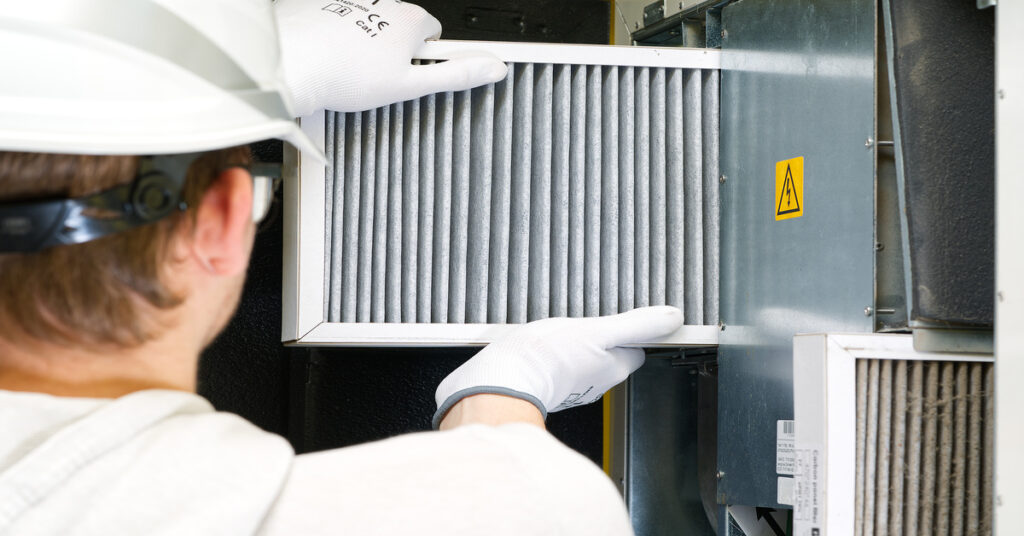
Industrial operations, from manufacturing plants to large-scale workshops, rely heavily on clean air. Dust, debris, and airborne contaminants constantly challenge product quality, employee health, and equipment efficiency. High-efficiency particulate air (HEPA) filters and other industrial-grade filters serve as the first line of defense, capturing these particles before they cause harm.
While some facilities replace filters, others choose the more sustainable and cost-effective alternative of cleaning them. Understanding the science behind industrial air filter cleaning processes reveals a sophisticated approach to extending the life and performance of these essential components.
Choosing to clean rather than replace a filter involves more than a surface wash. You must understand the filter media, the contaminants, and apply the right combination of force and chemistry. This approach ensures the filter looks clean and functions at its best without incurring damage.
The Foundation: Understanding Filter Media and Contaminants
Before cleaning, you need to know the filter’s materials and what they hold. Industrial air filters contain a variety of media, such as cellulose, synthetic blends, polyester, and spunbond fabrics. Each material has its own fiber structure, tensile strength, and level of resistance to moisture and chemical agents. For example, cellulose fibers react poorly to water, whereas synthetic polyester blends resist moisture better. To prevent tearing, stretching, or material degradation, tailor the cleaning process to the specific filter media.
Understanding the specific layering and pore size of each filter type plays a vital role in maintenance. Filters used in high-dust settings often demand extra attention, as clogged fibers can restrict airflow rapidly and strain equipment. Technicians must assess these details before proceeding.
You must also analyze the nature of the trapped contaminants. Fine wood dust and grain particles differ from welding fumes or chemical powders. Some contaminants remain dry and loose, while others appear oily, sticky, or even hygroscopic, absorbing air moisture. The physical and chemical properties of each contaminant determine the most effective cleaning method. If you use the wrong approach, you risk embedding debris deeper into the filter media or triggering reactions that degrade the filter.
The Power of Vibration: Dry Cleaning Methods
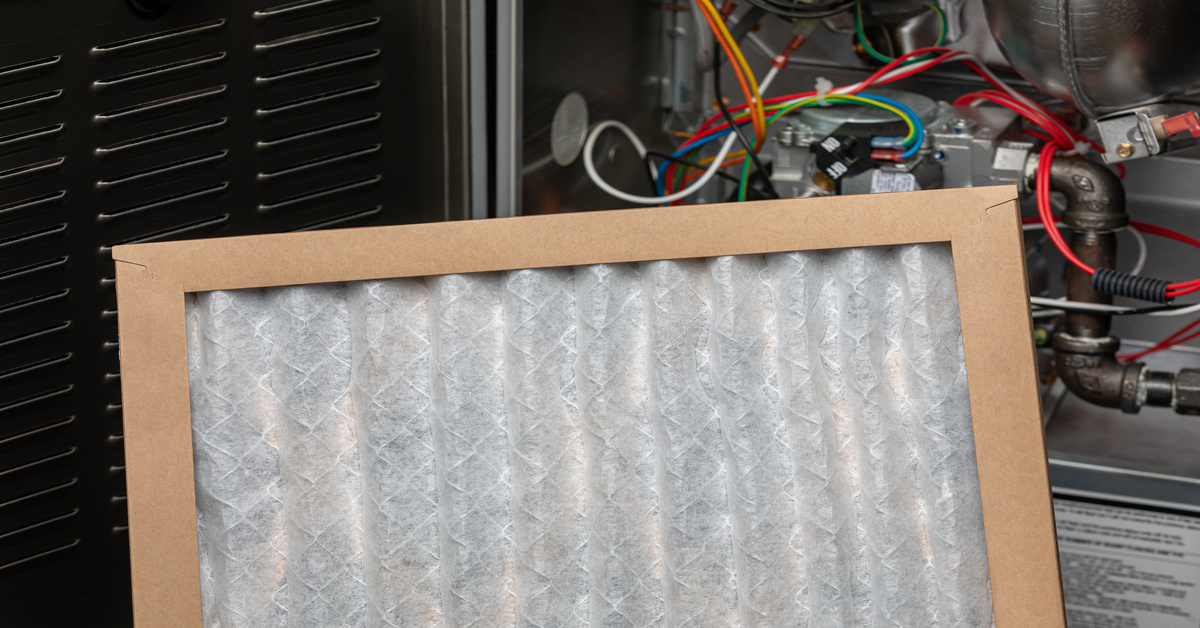
Many industrial air filters receive cleaning through dry processes involving vibration and carefully controlled air pressure. This technique efficiently removes dry and non-adherent particulate matter. The process starts with a thorough filter inspection, where technicians search for rips, holes in the media, or broken seals. After confirming that the filter remains in good condition, they place it in a specialized machine.
This machine creates a controlled environment and employs high-frequency vibration combined with rotational movement. These actions agitate the filter, freeing trapped dust particles from deep within the pleated media. At the same time, a precisely calibrated jet of reverse-pulsed air blasts through the filter from the clean side toward the dirty side. This counter-flow knocks loosened dust away from the media and collects it in a designated system.
Technicians adjust the air pressure to use enough force to remove contaminants without damaging the media or pushing debris further inside. This mechanical, non-chemical approach restores airflow efficiently while protecting filter integrity.
Advanced dry cleaning systems continue to evolve with newer technologies, including automated sensors that measure the effectiveness of each cleaning cycle. These innovations allow operators to fine-tune equipment settings for different filter types and contamination levels, leading to even better cleaning outcomes and less filter waste. The industry’s commitment to continuous improvement supports environmental responsibility as well as productivity.
Leveraging Chemistry: Wet Cleaning Processes
When oil, grease, soot, or sticky particles clog a filter, dry methods alone won’t work. You need a carefully managed wet cleaning process that uses water and targeted detergents to break down and remove these residues. Start by choosing a cleaning agent compatible with the filter’s material and tailored to the type of contaminant. An alkaline detergent may cut through heavy grease but could harm delicate filter media.
Technicians submerge the filter in a tank of cleaning solution, often heating it to the optimal temperature. Heating reduces the viscosity of oils and greases, which makes it easier to lift them from the media. Gentle agitation or ultrasonic waves help the detergent reach deep into filter pleats and dissolve stubborn deposits. After cleaning, technicians rinse the filter thoroughly with clean water to eliminate detergent and dislodged debris. Removing all cleaning agents is critical, as any residue attracts dust or weakens the filter over time.
The Critical Final Step: Drying and Inspection
You must give the drying stage special attention after every wet cleaning. If you leave any moisture, the filter may harbor mold and bacteria, which present health risks, restrict airflow, and create unpleasant odors. Technicians move filters into a temperature-controlled drying room or oven, circulating warm, dry air evenly around and through the media. They watch the temperature closely to avoid heat damage to the material or seals.
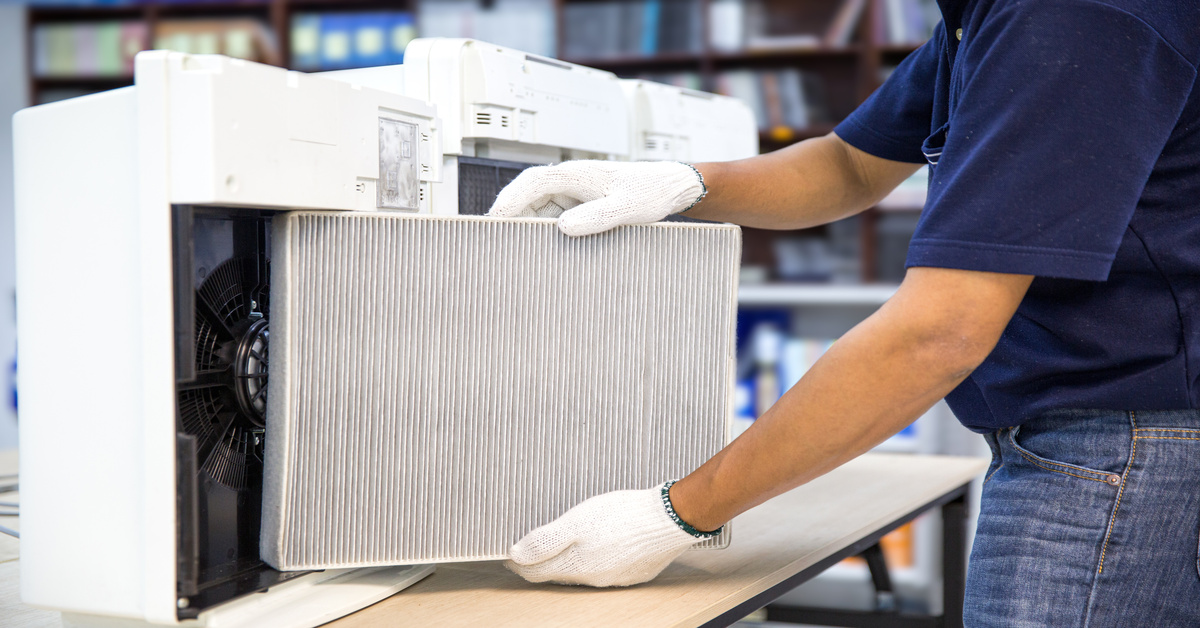
When a filter has dried completely, regardless of the cleaning method, technicians perform a rigorous inspection. They backlight the media with high-intensity lights to spot any pinholes, tears, or weaknesses that may have appeared during cleaning. By examining the gaskets and seals, they ensure a proper fit upon reinstallation. Using specialized tools, they test efficiency and pressure drop, confirming that the filter meets performance standards. Only filters that pass all tests return to service.
Maximizing Your System’s Performance
Maintaining the integrity of an industrial air filtration system is a continuous effort that pays significant dividends in safety, efficiency, and compliance. The air your employees breathe every day affects their health and the longevity of your equipment. By understanding the science behind industrial filter cleaning processes and implementing a rigorous maintenance program, you can ensure that your filtration system operates at its best. A proactive approach protects your assets and reinforces your commitment to a safe and sustainable workplace.
Clean Air Filters specializes in bringing this scientific precision to your facility. Our advanced air filter cleaning services restore your industrial filters to optimal performance, extending their lifespan and significantly reducing your replacement costs. Contact Clean Air Filters today to analyze your filtration needs and implement a cleaning program that drives efficiency and sustainability.