

Commercial and industrial facilities depend on complex air filtration systems to maintain safety, protect equipment, and meet regulations. However, choosing the right filters is a surprisingly complicated task for facility managers. Many buyers assume that finding a replacement is as simple as matching dimensions, but the reality involves understanding MERV ratings, pressure drops, and specific contaminant removal requirements.
Without guidance, businesses risk compromising their air quality or overworking their HVAC systems, which leads to higher energy bills and premature equipment failure. This complexity highlights exactly why commercial filter sales should include expert support to ensure that every purchase delivers optimal performance and long-term value.
Navigating the Maze of Filtration Options
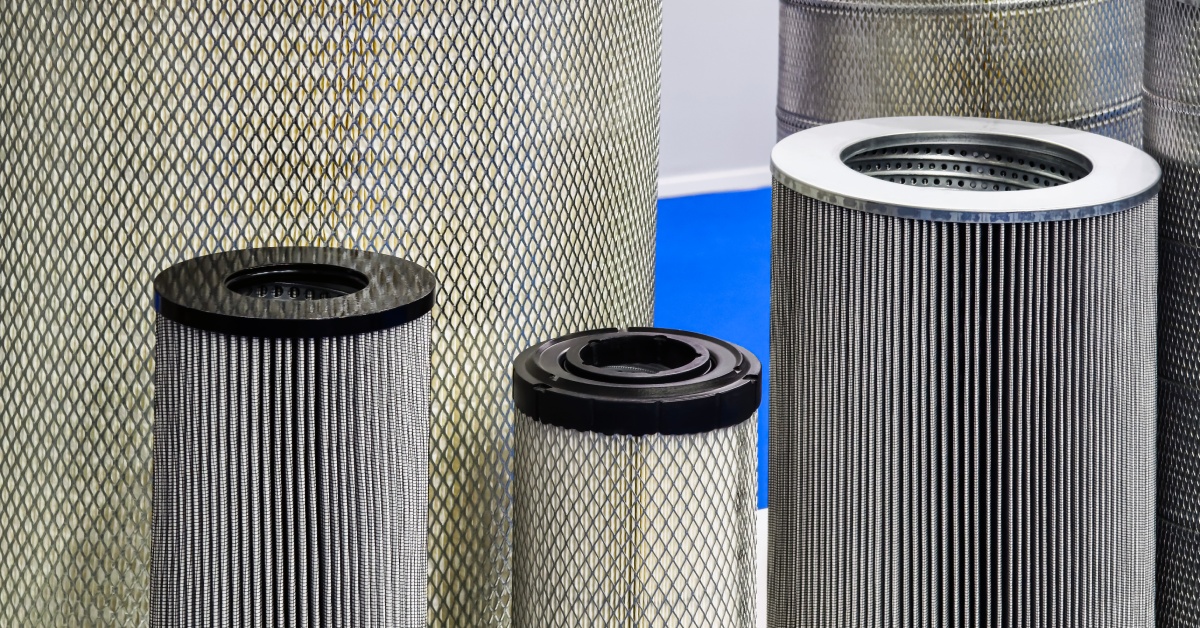
The world of commercial filtration is vast and often confusing for those who do not specialize in the field. Facility managers often face a dizzying array of choices that look identical on the surface but perform vastly different functions. A standard pleated filter might suffice for a basic office building, but it would be woefully inadequate for a hospital operating room or a precision manufacturing plant. Understanding the nuances between fiberglass, polyester, and synthetic media requires technical knowledge that goes beyond a simple product description.
The Role of MERV Ratings
Minimum efficiency reporting value, or MERV, is the standard benchmark for filter efficiency, but it often causes confusion during the purchasing process. A higher rating captures more particles, which sounds beneficial, but it also restricts airflow. If a facility manager installs a high-efficiency filter in a system designed for lower resistance, the HVAC unit must work harder to push air through the dense media. This strain increases energy consumption and can burn out blower motors. Expert support helps buyers strike the right balance between air quality needs and system capabilities.
Specific Environmental Demands
Different industries face unique environmental challenges that dictate specific filtration needs. A metal fabrication shop deals with heavy particulate matter and potential sparks, requiring fire-retardant cartridges that can handle high dust loads. Conversely, a pharmaceutical lab prioritizes the removal of microscopic pathogens, necessitating HEPA filtration with rigorous certification standards. Simply buying a generic filter off the shelf fails to address these specific environmental demands. Sales professionals with technical expertise analyze specific applications to recommend products that withstand the unique rigors of the environment.

The Operational Value of Expert Guidance
Integrating expert support into the sales process transforms a simple transaction into a strategic partnership that benefits the buyer significantly. When sellers act as consultants, they help customers avoid costly mistakes and unlock efficiencies that might otherwise go unnoticed. This relationship fosters trust and ensures that the facility operates at peak performance levels.
Enhancing Customer Satisfaction
Customer satisfaction in the filtration industry depends on performance rather than just price or delivery speed. A customer who buys the wrong filter will eventually face issues, whether it is poor air quality, frequent filter changes, or system breakdowns. These negative outcomes reflect poorly on the seller, even if the customer made the initial error. By guiding the selection process, experts ensure the customer receives a solution that solves their problem. This proactive approach prevents frustration and builds a loyal customer base that values technical insight over the lowest possible price point.
Ensuring Proper Filter Selection
The main advantage of involving experts is the precision in the selection process. Experts ask the right questions before a sale occurs. They inquire about the age of the system, the nature of the contaminants, the desired air exchange rate, and the maintenance capabilities of the facility staff. This comprehensive assessment filters out incompatible options immediately. It ensures that the product arriving at the dock fits the housing perfectly and meets the airflow requirements of the machinery. This precision eliminates the hassle of returns and ensures immediate operational readiness.
Improving Energy Efficiency
Energy costs represent a massive portion of any facility’s operating budget, and filtration plays a direct role in that expenditure. As filters load with dust, the pressure drop increases, forcing fans to consume more energy to maintain airflow. An expert understands the total cost of ownership. They can recommend filters with lower initial pressure drops or higher dust-holding capacities that last longer and save energy over their lifespan. While these premium options might cost more upfront, the expert can demonstrate how the energy savings will offset the purchase price, helping the business make a financially sound decision.
Solving Problems Before They Start
Commercial filtration involves inevitable challenges, from retrofit complications to unexpected shifts in air quality regulations. When businesses purchase filters without support, they often find themselves reacting to emergencies rather than preventing them. Expert support provides a safety net that helps facilities anticipate and overcome these common hurdles.
Addressing Sizing and Compatibility Issues
One of the most frequent headaches in commercial filter sales involves sizing. Manufacturers often list nominal sizes, which differ from the actual physical dimensions of the filter. A buyer might order a standard 24×24 filter only to find it does not fit the frame because their system requires a specific actual size. This discrepancy halts maintenance schedules and leaves systems vulnerable. Support specialists clarify these dimensions beforehand. They teach buyers how to measure their housings correctly and identify custom sizing requirements, ensuring a perfect seal that prevents unfiltered air from bypassing the media.
Optimizing Maintenance Schedules
Changing filters too frequently wastes money on labor and materials, while waiting too long endangers human health and equipment. Determining the optimal change-out schedule requires analyzing pressure gauge readings and environmental conditions. Experts assist facility managers in establishing data-driven maintenance routines. They explain how to read differential pressure gauges and interpret the signs of filter loading. This education empowers the maintenance team to maximize the life of each filter without crossing the threshold into system inefficiency.
Navigating Regulatory Compliance
Industries such as healthcare, food processing, and microelectronics operate under strict air quality regulations. Compliance is not optional, and the penalties for failure can be severe. Navigating these codes requires up-to-date knowledge of industry standards. Sales support teams stay current on these regulations and can certify that the recommended products meet all necessary legal and safety requirements. This assurance removes a significant burden from the facility manager, allowing them to know their air quality measures stand up to scrutiny.
Partnering for Long-Term Air Quality
The purchase of a commercial air filter affects the health of building occupants, the longevity of HVAC equipment, and the efficiency of daily operations. Viewing filters as a mere commodity overlooks the sophisticated engineering required to manage indoor air quality effectively. Businesses that prioritize knowledgeable vendors position themselves for smoother operations and reduced overhead costs. This comprehensive approach demonstrates why commercial filter sales should include expert support as a standard of practice.
Clean Air Filters specializes in high-quality industrial air filter sales backed by deep technical knowledge. Trusting a dedicated partner ensures your operations remain safe, compliant, and efficient for the long haul. Browse our industrial air filters and enjoy dependable service at every step.